A proper casino night roulette table setup is less about cramming in every accessory and more about making the wheel readable, the betting zones clear, and the pace steady enough that people actually enjoy the round. I’ve spent years running QA cycles on live table feeds and release checklists, and the same discipline applies here: if the layout confuses a player at 2 a.m., it will confuse them on a Saturday night with a tray of drinks in hand. Below is a practical walkthrough that keeps the game honest, the table tidy, and the whole evening running smoothly.
Getting the table footprint and wheel position right
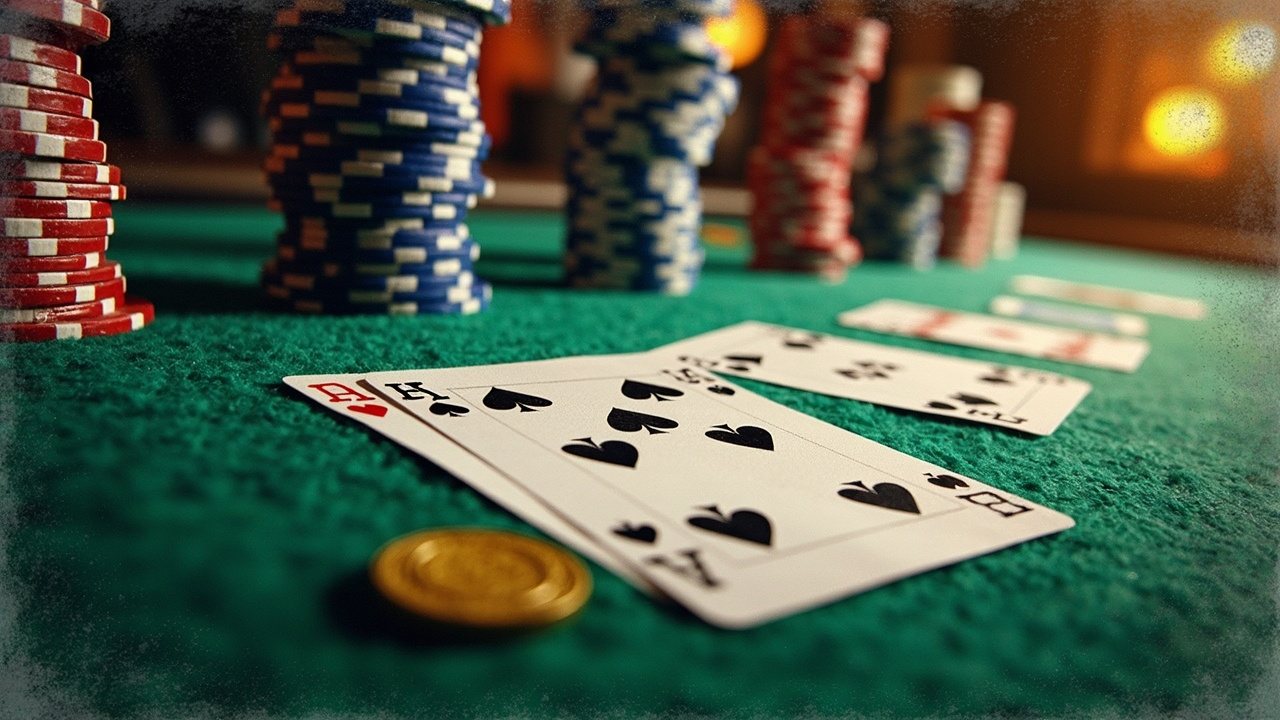
The first decision is where the wheel sits relative to the felt and the players. A roulette wheel needs enough clearance on the dealer side so the ball can travel without clipping a glass or a wallet, and the betting layout should face the group at a comfortable angle rather than flat-on. In a home or function room, I’d leave at least a metre behind the wheel for the stick and a spare chair, because crowding the dealer end is the fastest way to slow the game and irritate everyone. Canberra venues and home hosts alike tend to underestimate how much floor space a proper setup actually needs, so measure the room before you lay down the mat. If you are borrowing a wheel or using a compact travel set, check that the frets are even and the pockets aren’t worn smooth, because a sloppy wheel will throw off the whole rhythm long before anyone places a chip.
Building the felt layout, markers, and chip control
The felt is where most setups either earn trust or lose it. Mark the outside bets, the dozens, and the column boxes clearly, and keep the zero pocket visually distinct so players aren’t squinting at the layout under warm room lighting. I’ve seen test environments where low-contrast printing made the neighbours of zero look identical to the rest of the board, and that kind of ambiguity turns a simple round into a argument about where a chip was placed. Use a token or a clear puck to mark the winning number, and keep a separate tray for colour-ups so the table doesn’t turn into a pile of mixed denominations. Good chip control is the same principle I apply when checking release readiness on a live table feed: the dealer’s handoffs need to be predictable, the stack heights readable, and the payouts timed so the next spin doesn’t start before the previous one is settled. If you want a cleaner reference for how different table sizes and chip sets compare, spinago pokies has a few setup notes worth a look.
| Setup element | What to check | Common issue | Quick fix |
|---|---|---|---|
| Wheel clearance | At least a metre behind the dealer side | Drinks or elbows crowding the wheel base | Move the table or set a drinks boundary |
| Felt contrast | Zero pocket and neighbours clearly distinct | Worn print making bets hard to read | Replace the mat or use a higher-contrast layout |
| Chip trays | Separate colours, tidy stack heights | Mixed denominations slowing payouts | Colour-up before the table gets busy |
| Winning marker | Clear puck or token on the result | Ambiguity about where the ball landed | Place the marker before collecting losing bets |
The dealer rhythm, lighting, and a couple of operator calls
A steady pace matters more than a flashy one. The dealer should call the spin, let the ball run, land the result, mark it, settle payouts, and only then clear the board for the next round. Rushing the settle phase is where mistakes creep in, and in my experience that is the exact moment a release candidate fails a reliability check because the process is inconsistent under a bit of pressure. Lighting should be bright enough to read the felt without glare on the wheel, and if you are running a longer evening, a small lamp aimed at the layout beats an overhead that washes out the betting boxes. On the operator side, I’d set a simple house rule up front about chip values and table limits so nobody is guessing whether a green chip is twenty or twenty-five. Evie Patel, Marketing Director, Laneway Interactive Media, has pointed out that consistent table rules and clear signage do more for player confidence than any fancy backdrop, which is a fair call when you are trying to keep a social game running without friction. Dylan Murphy, Managing Partner, Wattle Gaming Partners, also reckons a predictable rhythm keeps the table busy without turning it into a scramble, and I’d defo agree when the room is warm and the drinks are flowing. spinago pokies
Picking the right setup for your crowd and space
The right casino night roulette table setup depends on who is sitting down and how much room you actually have. For a smaller group in a living room, a compact wheel and a single colour set keep things simple and let everyone see the action without leaning over the table. For a bigger gathering with a few tables or a function room, a sturdier layout and a proper chip rack make the difference between a game that flows and one that keeps stopping for stack sorting. If you are hosting in or around Canberra and working with a tighter indoor space, a smaller footprint setup with clear edge markings is usually the smarter call, because you can always add a second table later if the first one is running hot. The goal is a setup that matches the crowd, not one that tries to look like a full venue and ends up crowding the players out of the game.
A solid casino night roulette table setup comes down to a readable felt, a wheel with enough room to breathe, and a dealer rhythm that settles each round before the next one starts. Get those bits right and the evening runs on its own, with fewer arguments, cleaner payouts, and a table that actually holds people’s attention.