Omaha Hi Lo Cash Games: Ongoing Value Beyond the First Deposit
Finding a solid seat at a split-pot table takes more than a quick sign-up. The real test is what happens after the welcome bonus fades, when you are sitting through a flat afternoon in Sydney and the pot odds stop being theoretical. I have watched a few regulars chase the same draw for too long because the table structure encouraged loose calls, and that kind of slow bleed is exactly what separates a decent omaha hi lo cash games room from one that just looks lively on paper. If you are weighing where to put recurring play time, the payout rhythm, the loyalty shape, and the way the software handles split pots matter more than a flashy opening offer.
Table Structure and What It Means for Your Bankroll
Omaha hi lo cash games reward patience more than aggression, and the best rooms make that obvious from the first hand. The deal rhythm, the blind structure, and the way the pot is split should all feel predictable, because split-pot games punish sloppy software as much as sloppy play. I once watched a regular lose a small edge on a late surrender because the interface masked the low hand until the showdown, and that kind of friction is the difference between a session that stays profitable and one that quietly drains. A well-built table keeps the action clear, shows the qualifying low hand early enough to read, and lets you size your bets without second-guessing the display. Position still matters, but in a cash game you can fold to a bad draw without the tournament clock pushing you forward, which is why the seat feel and the blind pace matter more than the number of tables on offer. If you are comparing rooms, look for a blind structure that lets you rebuy without feeling rushed, and check that the pot split is shown cleanly at showdown rather than buried in a post-hand summary. The best rooms also keep the action readable on a phone screen, because a lot of Aussie play happens between meetings or during a quiet arvo, and squinting at a cluttered layout is a fast way to miss a qualifying low hand. A room that gets the table mechanics right will usually handle the rest of the player experience with the same level of care. For players who want to move from a quick session into something more regular, a clean table setup is the first thing worth checking before you even look at the bonus page, and you can start that check from a sky crown casino online login in australia when you are ready to compare the actual deal pace and pot display rather than the marketing copy.
Recurring Promos, Cashback, and Loyalty That Actually Matter
The welcome offer is easy to talk about, but the recurring side is what keeps a table worth sitting at. A useful omaha hi lo cash games room treats loyalty as a steady return rather than a one-off spike, and that shows up in cashback that actually reaches your balance, in promos that run on a schedule you can plan around, and in a VIP shape that rewards volume without demanding impossible turnover. I have seen players stick with a room for months because the cashback landed on a predictable cycle and the loyalty points converted into something usable, not into a voucher with a narrow expiry that forced a rushed session. The best setup is one where the recurring value is visible before you commit, so you can judge whether the table is a one-time stop or a place you will return to when the regulars are online and the blinds are sitting right. Tournaments can add a nice side option, but for cash game players the real draw is a promo structure that does not punish disciplined play, and a loyalty programme that recognises repeat volume rather than just chasing the biggest deposit. If the recurring side is thin, the room tends to feel like a placeholder, and that is the kind of detail that separates a serious table from one that only looks active during the first week.
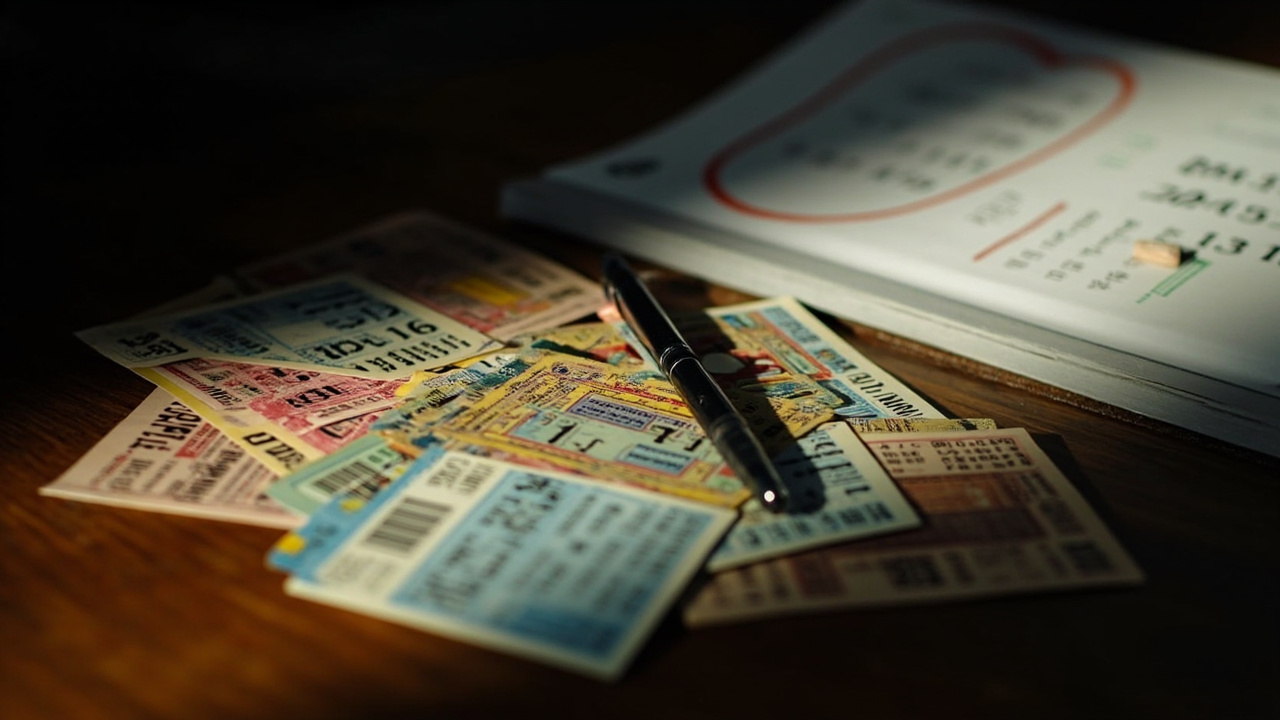
When the compounding benefits actually align with your playing rhythm, you start to see why some rooms hold their regulars far longer than the rest. Finding a platform that delivers on that promise usually comes down to checking how the rewards are structured before you commit your bankroll. If you want to compare how those loyalty features stack up in practice, you can review the current setup at https://skycr0wn-casino-login-au.com/aus/ using the sky crown casino online login in australia page.
Payments, Registration, and Mobile Play for Local Sessions
The practical side of a room matters because cash game play is built on repeat sessions, and a clunky payment or registration flow will slow that down fast. A decent setup keeps registration short, uses a currency that matches your bankroll planning, and makes deposits and withdrawals feel routine rather than theatrical. I have watched a player abandon a table because the currency conversion made his stake sizing feel off, and that kind of friction is easy to overlook until it costs you a session. For an Aussie player, the useful details are the ones that keep the money movement predictable: clear limits, a currency that does not surprise you halfway through a session, and a mobile layout that does not force you to relearn the buttons every time you log in from a phone. Support should be reachable when a payment stalls or a table behaves oddly, because split-pot games can throw up questions that need a quick answer rather than a long ticket chain. The best rooms make the whole loop feel ordinary, which is exactly what you want when you are planning to return to the same table next week rather than chasing a one-off bonus.

How to Judge Fit Before You Commit to a Seat
The right call is usually less about the loudest feature and more about whether the room fits the way you actually play. If you like slow, disciplined cash sessions, look for a table structure that keeps the action readable and a loyalty shape that rewards steady volume rather than forced turnover. If you play in short bursts between other things, a mobile layout that stays consistent and a payment flow that does not drag matter more than a long list of side games. I tend to judge a room by what happens after the first week, because that is when the recurring promos, the cashback rhythm, and the table feel either confirm the setup or expose the weak spots. A room that gets the split-pot display right, keeps the blind pace sensible, and makes the loyalty side usable will usually be a better fit than one that leans on a big opening offer and then goes quiet. The verdict is simple: choose the table that matches your session style, not the one with the biggest headline, and let the recurring value do the heavy lifting once you are in the seat.
Quick glossary
- Split pot: a hand where both the high and low halves can win, with the pot divided between qualifying hands.
- Qualifying low: the five-card low hand that must meet the game’s minimum standard to share the pot.
- Blind structure: the schedule of forced bets that rises over time and shapes the pace of a cash table.
- Cashback: a recurring return of a portion of play, usually calculated over a set period rather than a single hand.
- Loyalty points: a repeat-play reward that can convert into usable value, often tied to volume rather than a single deposit.